Dreamstime: A Complete Guide to Stock Photos, Licensing, and Creative Assets

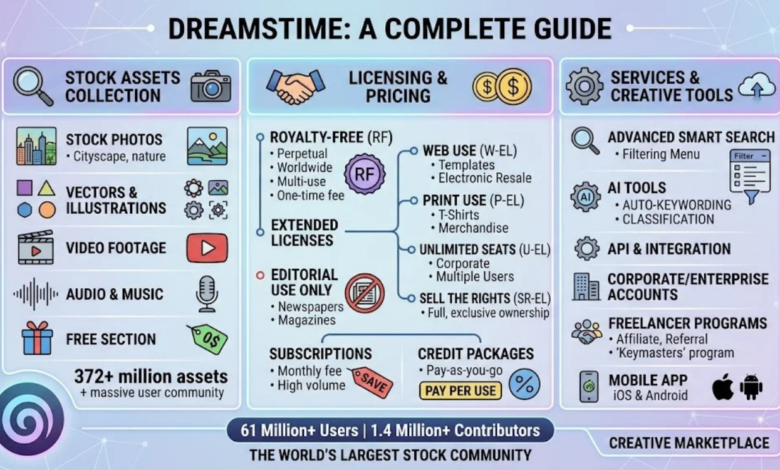
Dreamstime is a popular stock media marketplace designed for people and businesses that need professional creative content. It offers access to stock photos, illustrations, vectors, editorial images, videos, music and other digital assets for a wide range of personal and commercial projects.
For users in the United Kingdom and United States, Dreamstime can be a useful resource when creating websites, blogs, advertisements, presentations, social media campaigns or printed materials. Instead of arranging a professional photo shoot for every project, users can search a large library and license suitable content according to their needs.
What Is Dreamstime?
Dreamstime is an online stock photography and digital media platform that connects content creators with customers searching for licensed creative assets. The service has been operating since 2000 and has developed an extensive international collection covering many different subjects, industries and visual styles.
Although photography remains central to Dreamstime, the platform has expanded into several other types of creative content. Users can find illustrations, vector graphics, editorial imagery, video footage, music and sound effects, making the marketplace useful for both simple and more sophisticated creative projects.
How Dreamstime Works
The basic Dreamstime experience begins with a search. Users can enter a keyword describing the subject or concept they need and then browse relevant results. Searches can focus on broad themes such as business, technology, travel, food and lifestyle or more specific concepts and visual ideas.
Once a suitable asset is found, users can review its available information and choose an appropriate purchasing or licensing option. Depending on how frequently someone needs stock content, a subscription, credit package or individual purchase may be more suitable.
This flexibility makes Dreamstime relevant to occasional users as well as companies and creative professionals who need stock content regularly.
Dreamstime Stock Photos and Images
Stock photos are among the most widely used resources on Dreamstime. The collection covers everyday situations, professional environments, people, nature, travel, food, technology, healthcare, education and many other subjects.
The platform also includes conceptual photography, which can be particularly useful for articles and advertising campaigns that need to communicate an idea rather than simply show a particular object. Businesses can use suitable stock imagery to create more visually appealing websites, brochures, presentations and promotional materials.
Dreamstime Vectors and Illustrations
Not every creative project needs photography. Dreamstime also provides vector graphics and illustrations that can be useful for branding, marketing, presentations, infographics and digital design.
Vector artwork can be especially practical when a design needs to be resized for different formats. Illustrations can also provide a distinctive visual style when a conventional photograph does not adequately communicate the intended message.
For designers and marketers, having photographs, illustrations and vectors available within the same marketplace can simplify the process of finding appropriate creative material.
Dreamstime Videos and Editorial Content
Dreamstime also provides stock video footage for projects that require motion rather than static images. Video content can be useful for websites, advertisements, presentations, social media campaigns and other digital productions.
Editorial imagery serves another purpose. These images can document newsworthy events, public figures, locations, cultural activities and other subjects where editorial context matters. Users should understand the distinction between editorial and commercial content because licensing requirements and permitted uses can differ.
Understanding Dreamstime Licensing
Licensing is one of the most important parts of using Dreamstime. Purchasing or downloading an image does not normally mean that the buyer becomes the copyright owner. Instead, the buyer receives permission to use the content under the conditions of the applicable license.
Royalty-free licensing can allow an asset to be used for various projects without paying a traditional royalty every time it is displayed. However, royalty-free does not mean that there are no restrictions.
The exact permitted uses can depend on the license associated with an asset. Buyers should therefore review the applicable terms before using an image for advertising, merchandise, resale products or other specialized applications.
Are Dreamstime Images Free?
Dreamstime provides free images as well as paid content. This can be useful for bloggers, small websites and individuals who need visual content but do not want to purchase every image.
However, a free image should not automatically be treated as an unrestricted image. Copyright and licensing conditions can still apply. Users should understand the specific terms associated with free content before publishing it, particularly for commercial projects.
The distinction between free access and copyright ownership is important. An image being available without a purchase price does not necessarily mean that anyone can reproduce, modify or redistribute it without limitations.
Dreamstime for Bloggers and Website Owners
Bloggers and website owners often need attractive images to make written content more engaging. Dreamstime can provide visual material for articles covering subjects such as travel, food, business, technology, lifestyle and entertainment.
Using properly licensed stock photography can also save time. Instead of arranging a photo shoot or creating original artwork for every article, publishers can search for an image that matches the subject and obtain the appropriate usage rights.
For commercial websites, it is especially important to choose imagery that is properly licensed for the intended purpose.
Dreamstime for Businesses and Marketers
Businesses can use stock content in many areas of marketing. Website banners, social media posts, brochures, presentations, advertising materials and promotional campaigns can all require professional imagery.
Dreamstime can help businesses access different types of content without maintaining a large internal photography department. Marketing teams can search for visuals based on subject, concept, style and other characteristics.
Larger organizations may also benefit from business-focused purchasing options designed for teams and higher-volume content requirements.
Becoming a Dreamstime Contributor
Dreamstime is also a platform for photographers, illustrators and videographers who want to license their creative work. Contributors can upload eligible content and make it available to customers searching for stock media.
For creators, simply having a large portfolio is not enough. Content needs to meet technical standards and should also have commercial appeal. Clear composition, useful subjects, good image quality and accurate descriptions can all contribute to a stronger portfolio.
Keywording is another important consideration. Customers need to be able to discover an image through search, so contributors should provide relevant and accurate information without using misleading keywords.
Dreamstime Contributor Earnings
Dreamstime contributors can earn income when customers license their work. The amount earned can vary depending on several factors, including the type of content, licensing arrangement, contributor status and individual sales.
Stock photography is generally a long-term approach rather than a guaranteed source of immediate income. Some images may generate repeated sales over time, while others may receive little attention.
Creators who want to build a sustainable portfolio should focus on producing useful content consistently and understanding the types of subjects customers are actively looking for.
Dreamstime and AI-Generated Content
AI-generated imagery has become an increasingly visible part of the stock content industry. Dreamstime allows certain AI-generated content to be submitted by contributors when it meets the platform’s requirements.
For contributors, compliance remains important. AI-generated work should be submitted according to the platform’s rules and should not violate copyright, trademark, privacy or other applicable rights.
For buyers, the same principle applies. Users should review the information associated with an asset and make sure it is appropriate for their intended project.
Using Dreamstime Content Responsibly
Responsible stock media use starts with understanding the license. Users should know whether an asset is commercial or editorial and whether the intended use is covered by the selected licensing terms.
Additional considerations can apply when an image contains recognizable people, private property, trademarks or other protected elements. Certain uses may require additional permissions or a different type of license.
This is particularly important for businesses using stock content in advertising, products for resale or large-scale commercial campaigns.
Why Dreamstime Remains Useful
Dreamstime remains relevant because it brings many types of creative content together in one marketplace. Instead of searching separately for photographs, vectors, illustrations and video, users can explore multiple formats within the same service.
The platform also serves both sides of the stock media market. Buyers can find creative assets for their projects, while photographers, designers and videographers can make their work available to potential customers.
For individuals, bloggers, marketers and businesses in the United Kingdom and United States, this combination can make Dreamstime a practical option when professionally produced visual content is required.
Conclusion
Dreamstime has developed from a stock photography service into a broader creative marketplace offering photos, illustrations, vectors, editorial images, videos and other media. Its wide range of content makes it useful for bloggers, businesses, designers, marketers and individual creators.
For buyers, the most important consideration is understanding licensing before using any asset. Free and royalty-free content can still have conditions, and different projects may require different permissions.
For contributors, Dreamstime provides an opportunity to place photography, illustrations and video content in front of an international audience. Success depends on quality, relevance, discoverability and consistent portfolio development. Overall, Dreamstime can be a valuable resource for anyone who needs professional stock content or wants to explore opportunities in the stock media industry.
FAQs
What Is Dreamstime?
Dreamstime is an online stock media marketplace where users can find and license photographs, illustrations, vectors, editorial images, videos and other creative content.
Is Dreamstime Free?
Dreamstime offers both free and paid content. Free assets may be available without a purchase, but they can still be subject to copyright and licensing conditions.
Are Dreamstime Images Copyright Free?
No. Dreamstime images are generally protected by copyright. A license provides specific usage rights but does not normally transfer ownership of the copyright to the buyer.
Can I Use Dreamstime Images Commercially?
Many Dreamstime assets can be used commercially when the appropriate license permits the intended use. Users should review the licensing conditions before using content in advertising, merchandise or other commercial applications.
Can I Sell Photos on Dreamstime?
Yes. Photographers and other eligible creators can submit content to Dreamstime and earn money when customers license their work.
How Much Can Dreamstime Contributors Earn?
Contributor earnings vary according to factors such as sales, content type, licensing arrangements and contributor status. Earnings are not guaranteed and can differ significantly between portfolios.
Does Dreamstime Accept AI-Generated Images?
Dreamstime allows eligible AI-generated content under its contributor requirements. Creators must follow the applicable submission rules and ensure that their content complies with relevant rights and policies.
Can I Use Dreamstime Images on a Blog?
Yes, provided that the image is licensed for the intended blog use. Users should check the applicable licensing terms rather than assuming every image can be used without restrictions.
Is Dreamstime Good for Businesses?
Dreamstime can be useful for businesses that need stock imagery for websites, marketing, advertising, presentations, social media and other creative projects.
Does Buying a Dreamstime Image Give Me Ownership?
No. Buying or licensing an image generally provides specific usage rights rather than ownership of the original copyright. The creator or rights holder normally retains copyright.
Read More: Mexico vs. England: A Thrilling World Cup 2026 Clash
